

The Division of Academic Affairs at California State University Channel Islands (CI) creates and delivers excellent academic programs. It actively supports instructional, scholarly and creative activities, engages and mentors students, and fosters intellectual, ethical and creative development.
The Division of Academic Affairs advances this mission through its support of the University’s outstanding faculty and staff. To this end, the Division strives to maintain and enhance the excellence in teaching and learning, in scholarly and creative activities, and in service to the community that has come to characterize the young campus. It accomplishes this by seeking alignment between:
- the strategic plans of the CSU system, CI and the Division of Academic Affairs,
- the allocation of Academic Affairs’ resources,
- CI’s academic policies and procedures, and
- CI’s forward-looking academic programs.
The Division of Academic Affairs fosters a culture of service to students, of collegiality and cooperation within the Division of Academic Affairs and between the divisions of the University, and of shared governance of the University.
EventsMore
Spotlights
Faculty Spotlight
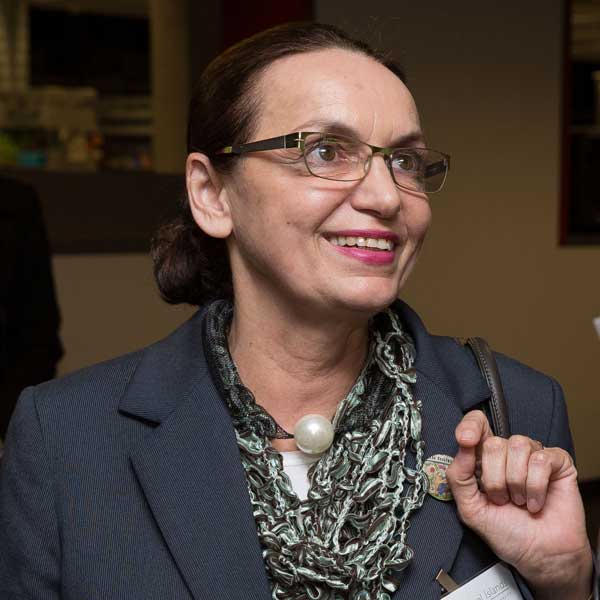
Connecting Critical Thinking and Art